


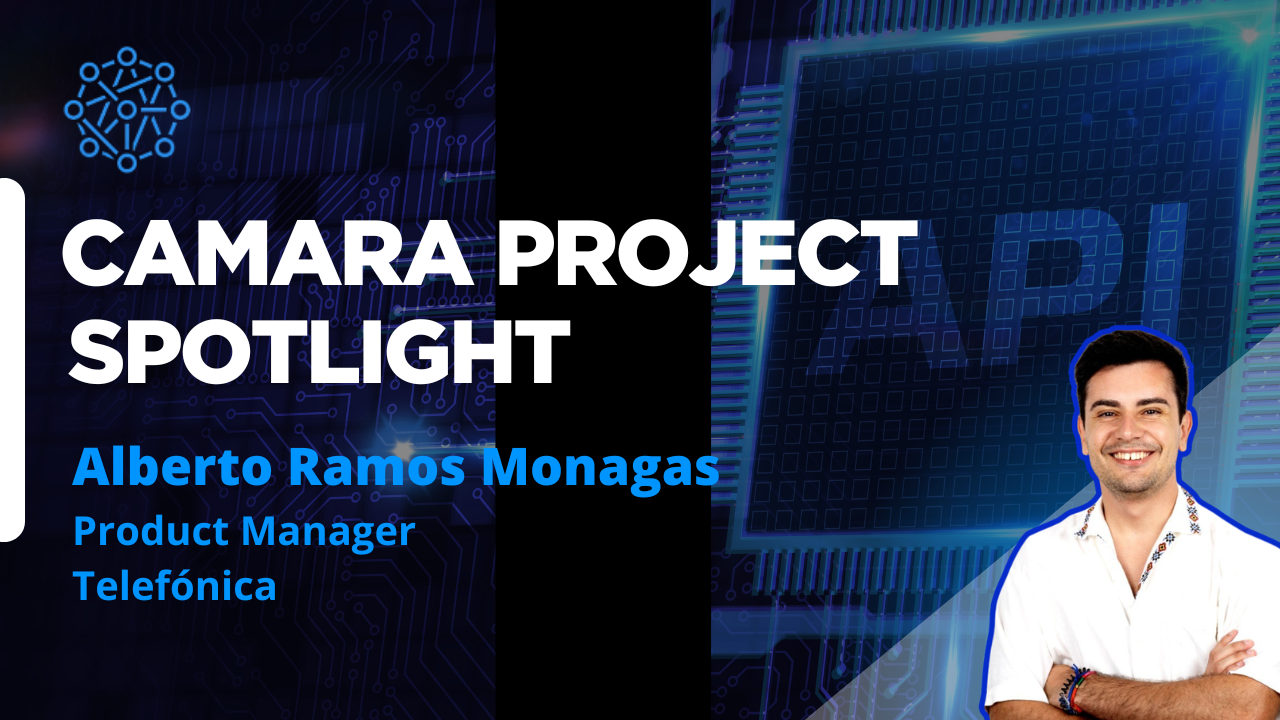
The Community Spotlight series provides insights into the contributors driving the development of CAMARA’s open telecommunications network APIs. This installment highlights Alberto Ramos Monagas, a Product Manager at Telefónica, who contributes to CAMARA’s authentication and fraud-prevention initiatives. In this capacity, he facilitates the translation of complex network capabilities into standardized APIs that ensure consistency and utility for the developer community.
The Significance of Openness and Interoperability
Alberto emphasizes that interoperability is the cornerstone of CAMARA and the broader open-source movement. He shares that network capabilities offered through disparate operator implementations lack practical scalability. Developers require a unified integration model to avoid the inefficiency of managing multiple unique interfaces for the same function. Consequently, a single, reliable API standard is essential for widespread adoption.
This collaborative approach is fundamental to creating a viable market for network APIs. The primary value of CAMARA lies in its ability to define vendor-neutral standards that are adopted uniformly across the telecommunications industry. Open governance ensures this layer remains neutral, fostering trust among all stakeholders.
Impactful Use Cases in Fraud Prevention
Regarding impactful applications, Alberto highlights the critical roles of fraud prevention and identity verification. CAMARA APIs including Number Verification, SIM Swap, Device Swap, Tenure, and Number Recycling provide discrete, privacy-compliant network signals. While each provides specific value independently, their collective application offers a more comprehensive security solution.
For example, in the context of financial services, verifying a customer’s possession of a phone number is a vital first step, yet additional context is often required. Analyzing whether a SIM card has been recently replaced, whether the line has had sufficient tenure with the current operator since a relevant reference date, or if the number was recently recycled provides a sophisticated risk assessment. These combined signals offer a more robust defense against sophisticated fraud attempts.
The objective is to mitigate risk without compromising user experience. By leveraging background network signals, service providers can make informed, data-driven decisions that benefit both the enterprise and the end user. This potential for seamless security has garnered significant interest from the banking, insurance, and e-commerce sectors.
The Strategic Evolution of CAMARA APIs
Looking ahead, the focus is shifting toward institutional maturity. The priority has evolved from the creation of new APIs to ensuring existing interfaces are stable, consistent, and ready for production environments. Achieving this requires rigorous alignment of semantics across various implementations to reduce fragmentation and ensure uniform behavior across the globe.
Furthermore, there is a projected shift toward outcome-oriented API development. Organizations are increasingly seeking specific business results such as transaction protection or enhanced authentication rather than isolated technical events like a “SIM swap.” The portfolio is expected to evolve to better address these high-level objectives.
The developer ecosystem is also diversifying, with a growing presence of AI-driven agents. In this environment, ease of consumption and discoverability are as critical as technical precision. The emphasis is moving toward quality, consistency, and the composition of services to meet complex modern demands.
CAMARA APIs: Functional Differences
These strategic considerations are detailed in the recent CAMARA whitepaper, “CAMARA APIs: Functional Differences,” co-authored by Alberto and the wider CAMARA community, which explores the integration of anti-fraud and identity signals. The document moves beyond isolated API analysis to examine how combined signals such as device changes and line tenure can form a coherent and comprehensive security strategy.
This practical guide aims to assist organizations in identifying the specific problems solved by various APIs and how to assemble them effectively. This initiative represents a broader strategic shift within CAMARA to categorize the API portfolio by business need, a trend expected to continue as the project matures.
Community Participation
CAMARA is an open, vendor-neutral community that thrives on global contribution. Organizations and developers are encouraged to participate in shaping future standards. Interested parties may explore the subprojects, participate in working groups, and contribute via GitHub.